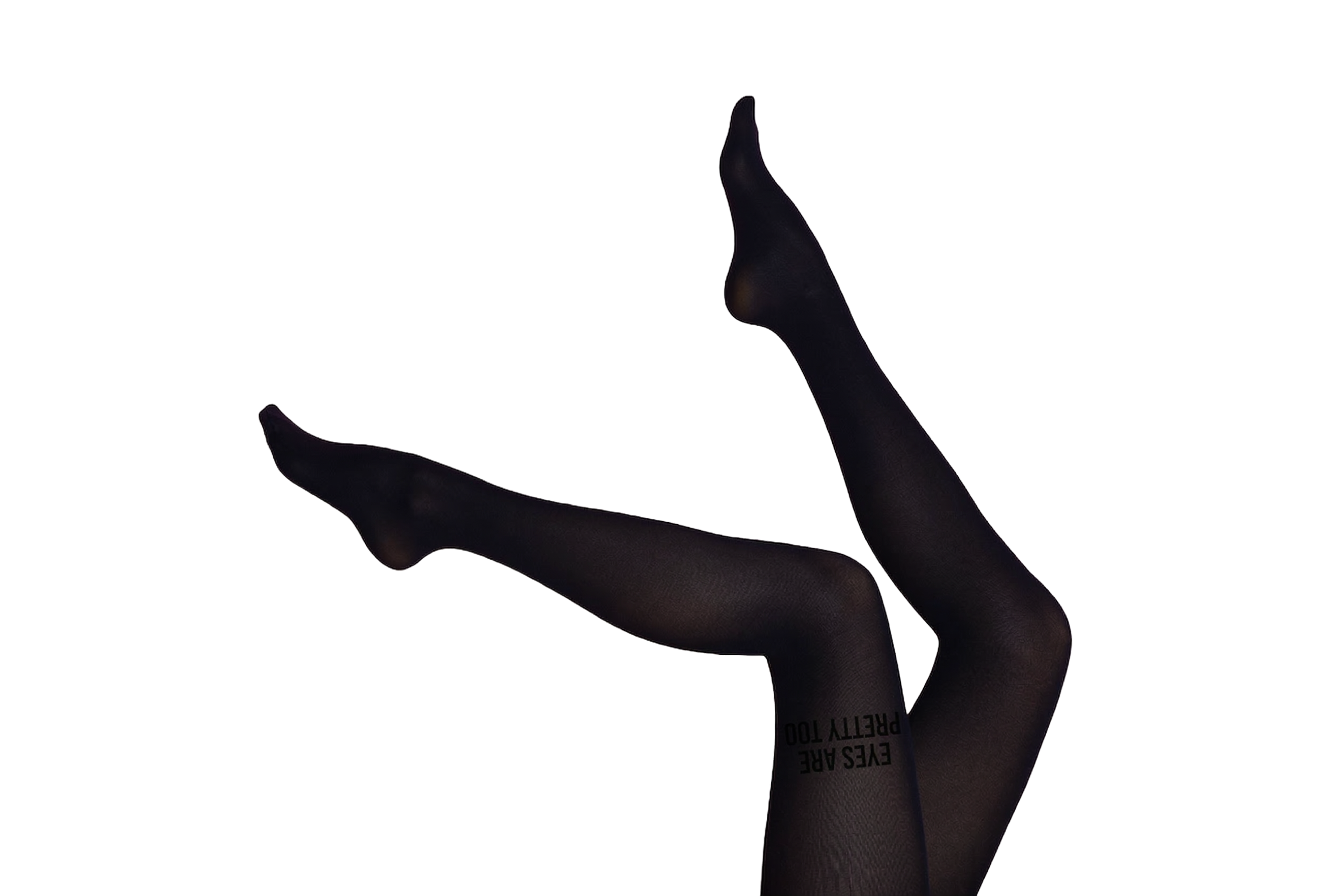
Enclothed Cognition: Why What You Wear Under Your Skirt Matters
Fashion psychology tells us that clothes don't just change how others see us—they change how we think about ourselves. This phenomenon is known as Enclothed Cognition. A landmark 2012 study proved that subjects wearing a white lab coat (associated with scientific rigor) performed significantly better on concentration tests than those in casual wear. The effect wasn't just about looking the part—it required the wearer to internalize the symbolic meaning of the garment. In other words, a costume only becomes a cognitive tool when you believe in what it represents.
"
Clothes mean nothing until someone lives in them.
Marc
Jacob
The Genesis of the Slogan: From Protest to Lifestyle
The act of inscribing text onto clothing isn't a modern marketing gimmick; it is an act of rebellion with deep historical roots. It began in the 1940s, when T-shirts were first utilized as political campaign tools. However, the true "slogan revolution" exploded in the 1960s, in the heart of London. The shop Mr. Freedom on King's Road pioneered the transformation of text into a cult object, selling zodiac-themed tees worn by legends like Mick Jagger. In the 1980s, Katharine Hamnett upped the ante, turning fashion into a political weapon. Her oversized slogans, such as the iconic "CHOOSE LIFE," were designed to be read from 30 meters away, forcing the viewer to process a message before admiring the cut. Hamnett famously noted that wearing a slogan is a "tribal" act—a way to align with a cause without uttering a single word.